
From building fundamentals to developing strength, speed and advanced skills, here's how baseball training should evolve as young athletes grow.
Baseball is a game of constant learning, growth and development. From a 10-year-old learning the fundamentals to a high school player preparing for varsity competition, every stage brings new challenges, opportunities and expectations.
At HitStreak, we believe long-term player development is about much more than improving a swing, throwing harder or winning games. It's about helping young athletes develop a genuine love for baseball while growing physically, mentally and emotionally. The goal isn't to rush the process, but to build a strong foundation that allows players to continue improving, competing and enjoying the game for years to come.
That development also involves a gradual shift in responsibility. At 10U, parents play an essential role in getting their kids to practice, providing encouragement and keeping the experience positive and fun. As players progress through middle school and into high school, they should begin taking greater ownership of their development — setting goals, practicing independently, building healthy nutrition and recovery habits, and making the commitment to improve.
Think about it this way: At 10 years old, parents are driving their player to practice. By 16, that same athlete may be driving himself to the gym, batting cages or an extra workout because he wants to get better.
As we've discussed in our article, Positive Parenting Tips for Youth Baseball & Softball, parents play an important role in helping young athletes develop confidence, resilience and a lasting love for the game. But as players mature, their motivation and commitment increasingly need to come from within.
So, what should baseball training actually look like at 10U, 12U, 14U and high school?
Consider this to be your guide on how the priorities, expectations and training methods should evolve at each stage…
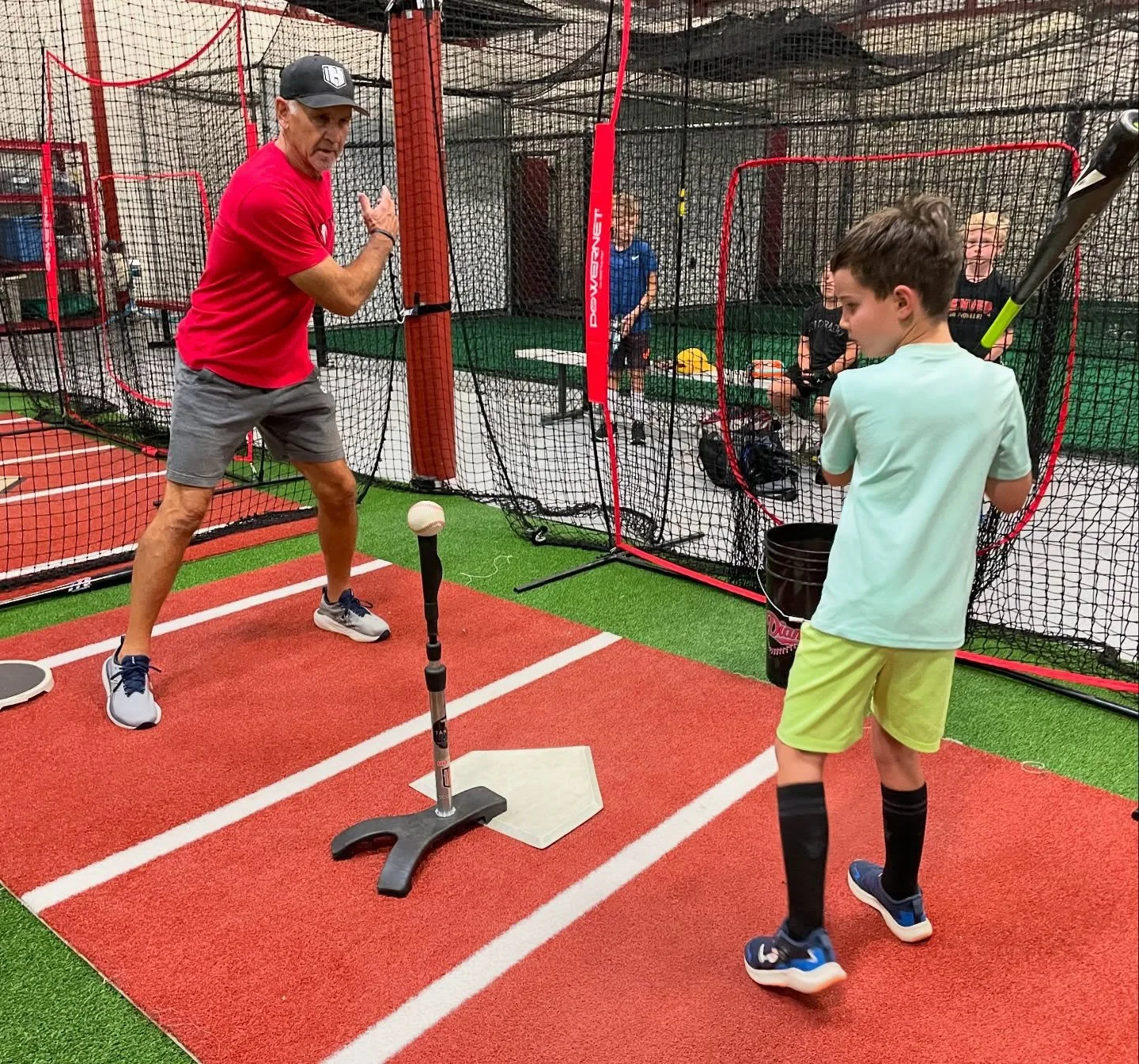
At the 10U level, the focus should be on building strong fundamentals, developing confidence and creating a love for the game that lasts.
10U Baseball Training: Building a Strong Foundation
At the 10U level, baseball should be about learning the game, developing fundamental skills and, most importantly, having fun. While young players naturally want to compete and win, the primary focus should be on building a foundation that will support their development for years to come.
This is an important age for developing coordination, balance, body control and overall athleticism. Rather than specializing too early or focusing exclusively on baseball-specific movements, young athletes benefit from a variety of physical activities that help them become better all-around athletes. As we explore in our article on the benefits of multi-sport athletes, playing different sports can help develop athleticism, reduce burnout and support long-term development.
Key training priorities at 10U include:
Hitting Fundamentals: Developing a balanced stance, proper grip, good swing mechanics and hand-eye coordination through consistent, age-appropriate instruction.
Throwing and Fielding: Learning proper throwing mechanics, catching, footwork and defensive fundamentals while developing confidence at different positions.
Speed and Athleticism: Improving agility, coordination, balance and quickness through running, jumping, games and other fun activities.
Baseball IQ: Learning the rules, understanding different game situations and beginning to recognize how individual decisions impact the team.
Confidence and Enjoyment: Creating positive experiences, celebrating improvement and helping players develop a genuine love for the game.
At this age, players should also have opportunities to explore different positions, including pitching. Even if a young athlete doesn't ultimately become a pitcher, learning to throw from the mound can improve throwing mechanics, body awareness and overall understanding of the game. The goal should be exploration and development, not deciding too early who is or isn't a pitcher.
Quality instruction and consistent repetition matter far more than training intensity. Practices should be engaging, with plenty of opportunities for players to learn, make mistakes and experience success.
Parents and coaches also play a particularly important role. Encouragement, patience and a focus on effort rather than results can help young athletes develop the confidence and enthusiasm to keep playing.
The goal at 10U isn't to create a finished baseball player. It's to build an athlete who enjoys the process, develops good habits and looks forward to getting back on the field.
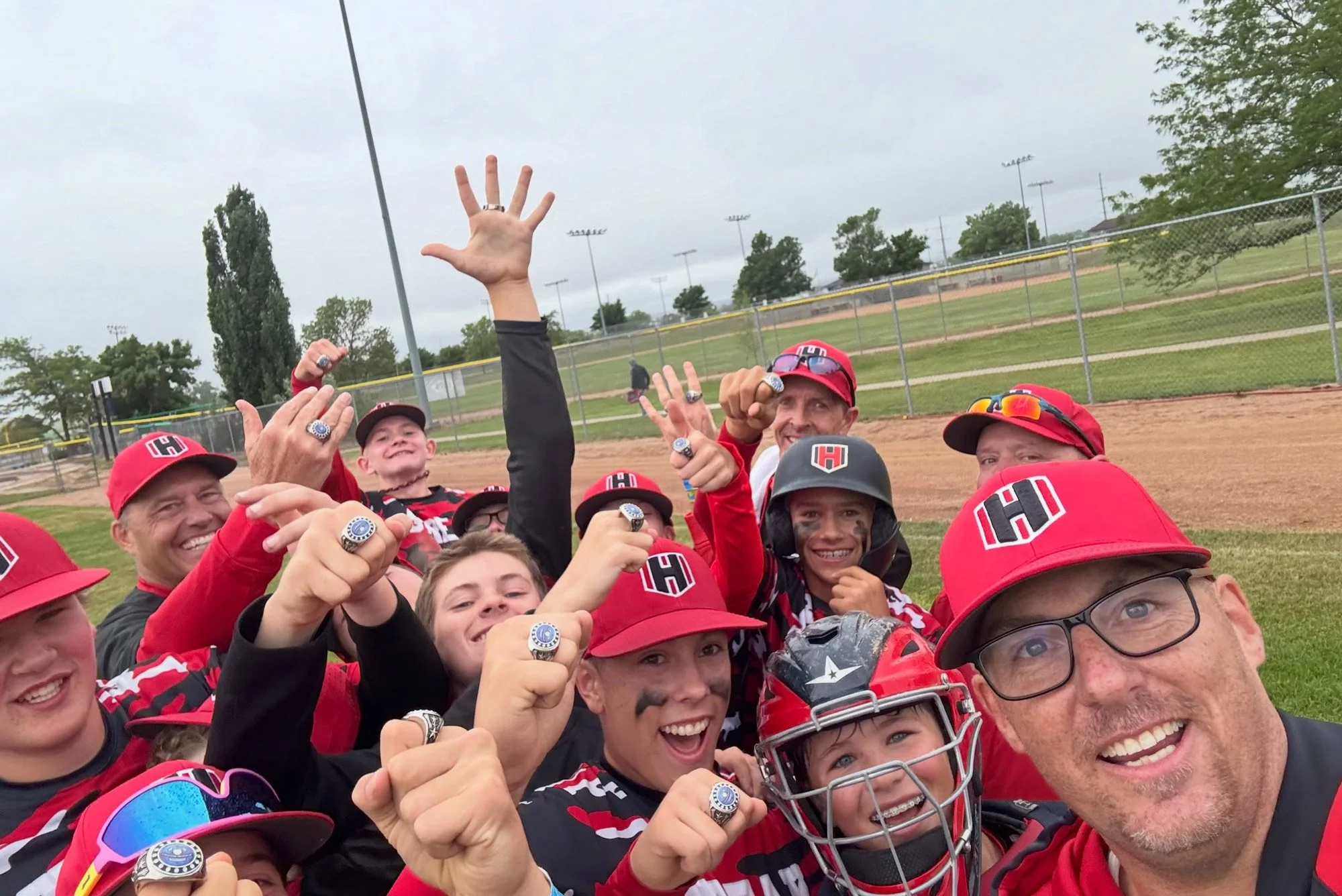
Keeping baseball fun at a young age helps players build confidence, develop friendships and create a lasting love for the game.
12U Baseball Training: Building Consistency and Better Habits
By 12U, many young baseball players have developed a solid understanding of the game and are beginning to take their skills to the next level. While fundamentals remain essential, training should gradually shift toward improving consistency, refining mechanics and developing the habits that will support continued growth.
This is also an age when players begin to experience significant differences in physical development. Some athletes may be entering growth spurts, while others are still developing coordination and strength. It's important to recognize that every player matures at a different pace, and training should reflect those individual differences.
Key training priorities at 12U include:
Hitting Consistency: Refining swing mechanics, improving timing and developing a more consistent approach at the plate while learning to make adjustments against different pitchers.
Throwing and Defensive Skills: Building arm strength through sound mechanics and appropriate throwing progressions, improving footwork and developing more consistent defensive execution.
Speed, Agility and Strength: Introducing more structured athletic development through sprinting, agility drills, bodyweight exercises and supervised resistance training appropriate for the individual player.
Baseball IQ and Decision-Making: Developing a better understanding of situational baseball, baserunning, defensive responsibilities and the mental side of competition.
Practice Habits and Accountability: Encouraging players to take greater responsibility for their preparation, effort and improvement, both during organized practices and on their own.
At 12U, players should begin to understand that improvement comes from consistent effort, not just showing up for games and practices. This doesn't mean every young athlete needs an intensive training schedule. Instead, it's about developing good habits, learning how to practice with purpose and beginning to recognize the connection between preparation and performance.
Parents and coaches should continue providing encouragement and guidance while gradually giving players more ownership of their development. The goal is to help young athletes become more confident, capable and motivated to improve.
For many young baseball players, the 12U season is also marked by a memorable baseball experience, whether that's a trip to Cooperstown, Omaha, Branson or Myrtle Beach, or perhaps a run through regionals toward the Little League World Series in Williamsport. At this age, players are beginning to understand the dedication and hard work required to become better athletes, but they're still kids who should be enjoying the game, building friendships and making lasting memories.
It's also an important turning point in their baseball journey. You've likely heard the often-cited statistic that approximately 70% of young athletes leave organized sports by age 13, although that figure is difficult to verify and varies by sport. What we do know is that the early teenage years are a common time for players to step away, often because the game is no longer fun, the pressure has become overwhelming or they begin to question whether they want to continue playing in high school.
That's why the transition to 14U is so important. As the game becomes more competitive and physically demanding, the focus must shift toward preparing players for the next level while continuing to nurture the confidence, motivation and love of baseball that brought them to the game in the first place.
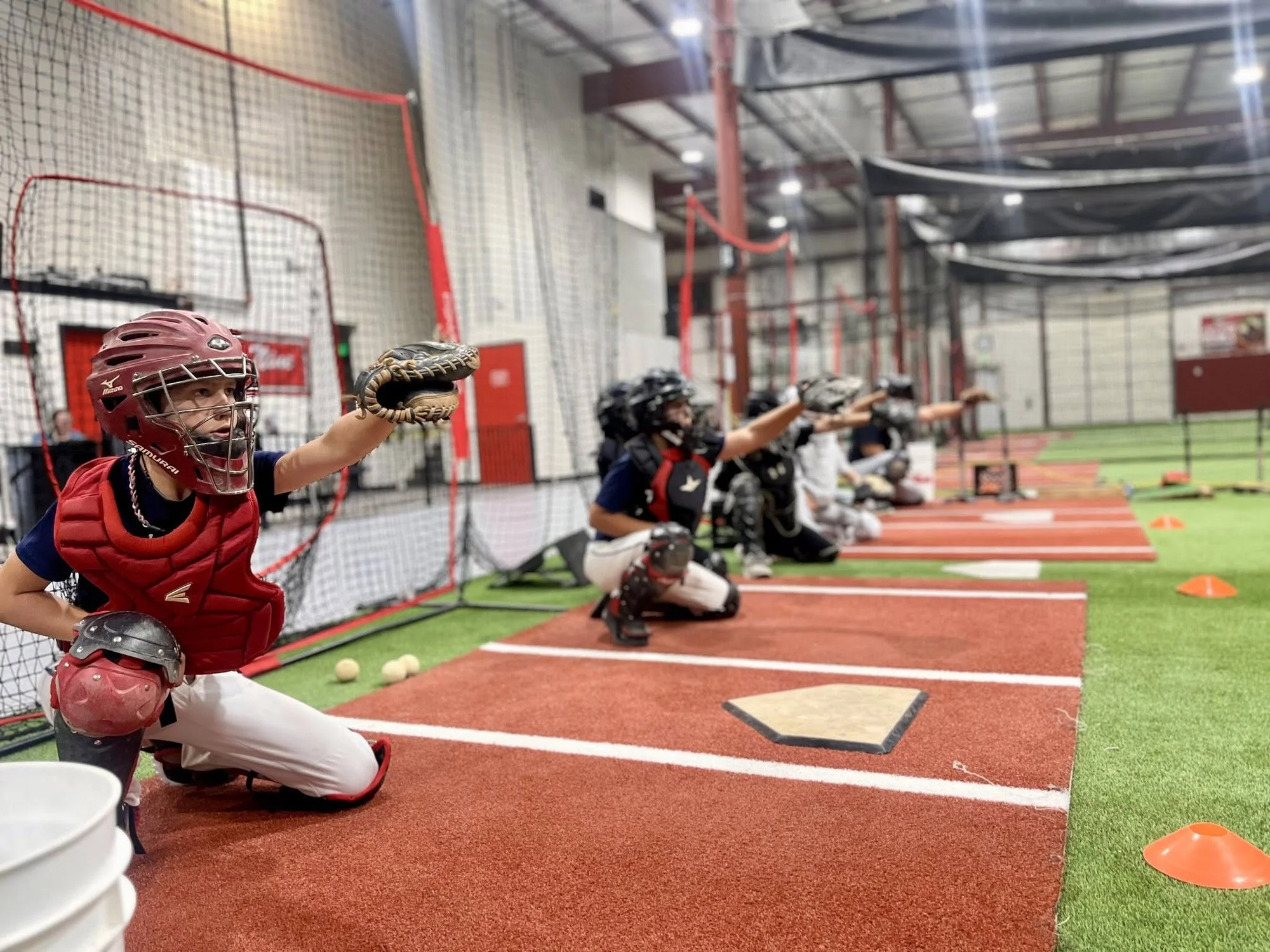
By the time a player approaches his teenage years, he should have an understanding of core positions and can work on specific positional skills.
14U Baseball Training: Preparing for the Next Level
The transition from 12U to 14U represents one of the most significant stages in a young baseball player's development. With larger fields, faster pitching, stronger competition and high school baseball on the horizon, the physical and mental demands of the game begin to increase considerably.
For many players, this is also a period of rapid physical growth. Changes in height, strength, coordination and body control can create both opportunities and challenges. A player who was previously successful may need time to adjust to a changing body, while another athlete may experience a sudden jump in performance.
At this stage, training should become more intentional, with an increased emphasis on strength, athleticism, skill development and mental preparation.
Key training priorities at 14U include:
Advanced Hitting Development: Improving bat speed, rotational power, swing efficiency and the ability to recognize pitches, make adjustments and compete against higher-level pitching.
Throwing and Position-Specific Skills: Continuing to develop throwing mechanics, arm strength and defensive consistency while beginning to focus more intentionally on the demands of different positions.
Strength and Athletic Development: Incorporating structured, supervised strength training to build a foundation of strength, power, mobility and injury resilience, with an emphasis on proper technique and gradual progression.
Speed and Explosiveness: Developing acceleration, sprint mechanics, lateral movement and overall athleticism to meet the demands of a faster, more competitive game.
Mental Toughness and Baseball IQ: Learning to manage failure, maintain confidence, make adjustments and understand the strategic aspects of higher-level competition.
Personal Responsibility: Taking greater ownership of training, nutrition, sleep, recovery and individual goals while developing the discipline required for continued improvement.
One of the biggest changes at 14U is the growing importance of training with a purpose. Simply playing more games isn't always the best path to improvement. Players need opportunities to identify weaknesses, work on specific skills and develop physically outside of competition.
This is also an important time to maintain perspective. Early physical maturity doesn't guarantee long-term success, and players who develop later may still have tremendous potential. Comparing athletes solely by their current size, strength or performance can overlook the bigger picture.
As players approach high school, the goal should be to develop well-rounded athletes who are physically prepared, mentally resilient and increasingly motivated to take ownership of their baseball journey.
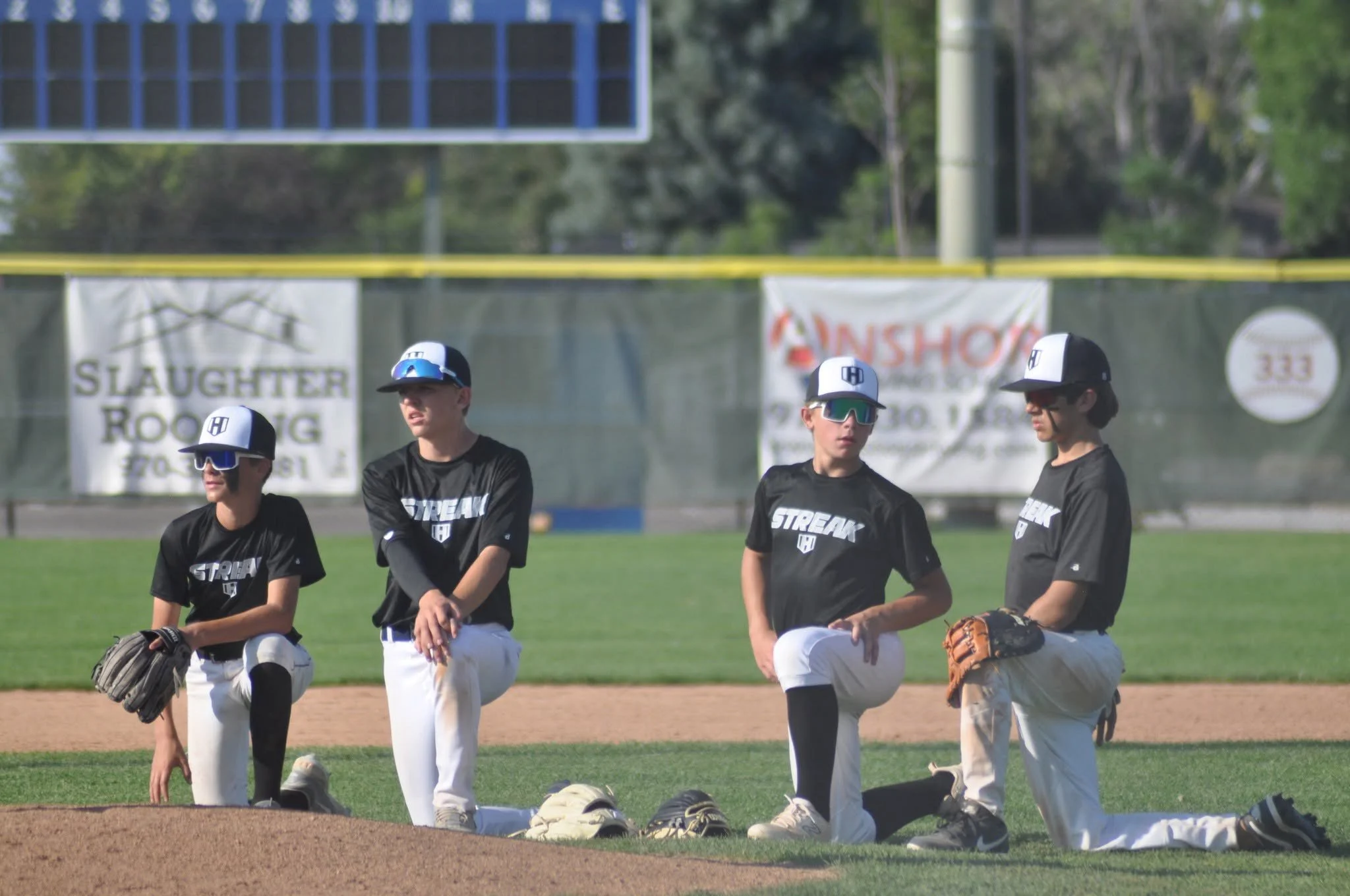
By the time players reach high school, they should have a solid foundation in the game and have more ownership in their path and training.
High School Baseball Training: Developing Strength, Power and Performance
By high school, baseball becomes increasingly competitive, and the expectations placed on players continue to grow. Whether an athlete is working to earn a spot on the freshman team, compete for varsity playing time or pursue opportunities beyond high school, success requires a greater commitment to physical development, skill refinement and consistent preparation.
At this stage, players should have a solid foundation of baseball fundamentals and a growing understanding of their individual strengths and weaknesses. Training becomes more specialized and intentional, with an emphasis on developing the physical tools, technical skills and mental approach needed to compete at a higher level.
Key training priorities at the high school level include:
Advanced Hitting Development: Refining swing mechanics, increasing bat speed and power, improving pitch recognition and developing a consistent offensive approach against more advanced pitching.
Throwing and Position-Specific Training: Building arm strength through appropriate throwing programs, refining defensive skills and developing the specific abilities required for each player's primary positions.
Strength and Power Development: Following a structured strength training program designed to improve total-body strength, rotational power, explosiveness and overall athletic performance.
Speed, Agility and Mobility: Improving acceleration, sprint speed, lateral quickness and mobility to become a more complete athlete while reducing avoidable injury risks.
Mental Performance and Baseball IQ: Developing the confidence, focus and resilience to handle competition, overcome adversity, make adjustments and perform under pressure.
Nutrition, Recovery and Injury Prevention: Understanding the importance of proper fueling, hydration, sleep, recovery and managing training workloads throughout the year.
Personal Accountability and Goal Setting: Taking ownership of individual development by establishing goals, identifying areas for improvement and consistently putting in the work required to achieve them.
One of the biggest differences at the high school level is that players must begin driving their own development. Coaches and parents remain important sources of guidance and support, but the motivation to improve ultimately needs to come from the athlete.
This means making productive use of time outside organized team practices, whether that's getting stronger in the weight room, working on hitting mechanics, following a throwing program or improving speed and athleticism. Even independent batting cage sessions should have a purpose, with players focusing on specific improvements rather than simply taking swings. Our guide on how to get more out of the batting cage offers practical tips for making those repetitions count.
The offseason becomes particularly valuable. While games provide opportunities to compete and evaluate progress, the offseason gives players time to address weaknesses, build strength, refine skills and make meaningful improvements without the demands of a full competition schedule.
It's also important to remember that not every high school player has the same goals. Some aspire to play college baseball, while others simply want to contribute to their team, earn more playing time or enjoy competing alongside their teammates. Each of those goals is worthwhile, and training should be tailored to the individual athlete.
Ultimately, high school baseball is about putting years of development into practice. The players who continue to improve are often those who combine physical ability and sound fundamentals with consistent effort, personal accountability and a genuine desire to get better.
The Bigger Picture: Developing Players Who Love the Game
At every age, the goal should be to help young athletes grow, improve and enjoy the game. After all, a 9-year-old who isn't having fun playing baseball is unlikely to want to continue through his teenage years. And if a player ultimately decides baseball isn't for him, that's perfectly okay, too.
At HitStreak, we're proud to support young baseball players throughout the Denver Metro area with a wide range of training programs, camps, clinics and competitive teams designed for every stage of their baseball journey. From learning the fundamentals to preparing for high school competition, we're committed to helping athletes develop their skills, build confidence and reach their individual goals.
Because the ultimate goal isn't just to develop better baseball players. It's to develop young people who love the game, embrace the process and carry those lessons with them long after their playing days are over.
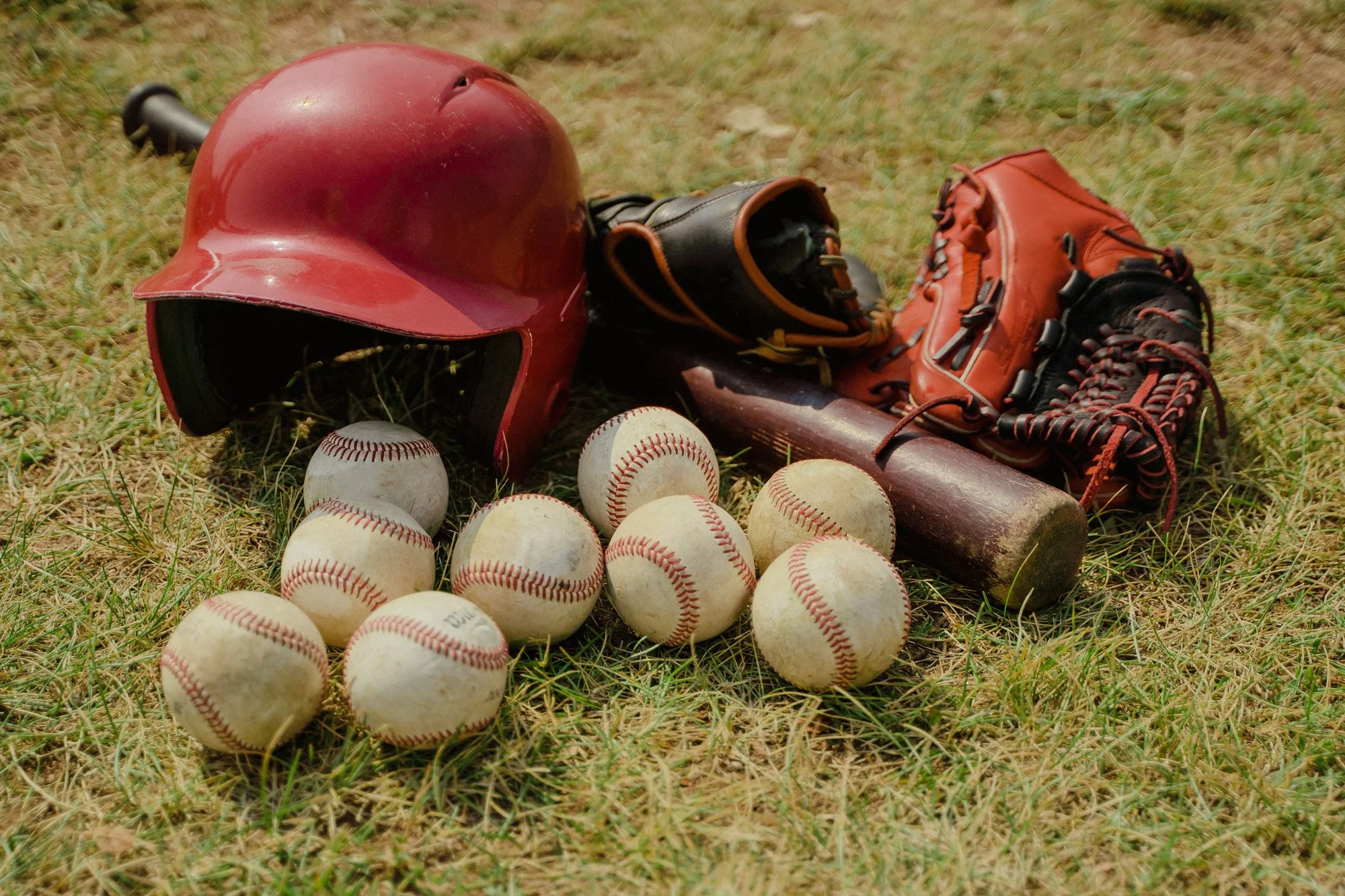
Growing a love for the game is key not just to developing young baseball players, but those who will carry the game with them long after they are done playing.
Players of all ages and skill levels can benefit from HitStreak’s instructional camps & clinics or private instructional lessons designed to help athletes build confidence, consistency, and success at the plate.
Subscribe to our monthly newsletter for more featured tips and news from our Colorado baseball and softball community.
More Featured Baseball and Softball Tips from HitStreak: