
How to Get More Out of the Batting Cage
Make Every Swing Count: Practical Tips for Better Baseball and Softball Hitting Practice
There's nothing wrong with heading to the batting cages, turning on the pitching machine and taking a bunch of swings. After all, hitting is one of the most enjoyable parts of baseball and softball, and there's value in simply getting repetitions—especially in Colorado where winter training is essential for growth before the spring season hits.
But there's a difference between taking swings and getting better.
Whether you're a young player just learning to hit or a high school athlete preparing for the next season, how you spend your time in the batting cage can make a big difference in how those swings translate to games.
And remember, every swing is building a habit.
The question is whether you're building good ones or reinforcing bad ones.
The next time you head to the cages, consider these tips to make your practice more productive, competitive and enjoyable.
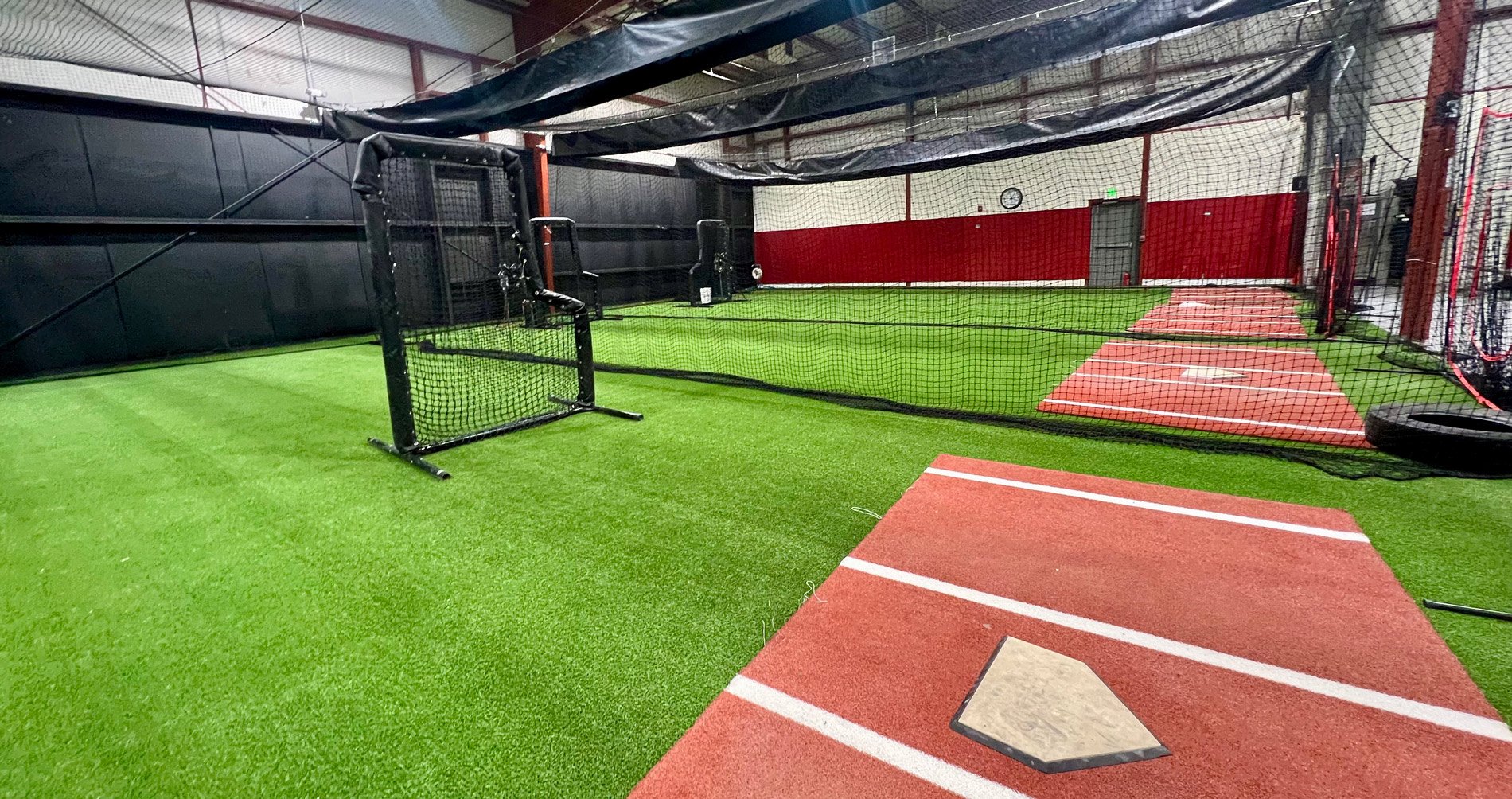
A little planning and purpose can turn an ordinary batting cage session into an opportunity for real improvement.
1. Have a Plan Before You Start Swinging
One of the easiest ways to waste a batting cage session is to step in without knowing what you're working on.
That doesn't mean every swing needs to be analyzed or every session needs a coach standing behind you. Bad swings will happen and that is okay. In fact, if you’re working on something new, bad swings can provide more feedback than a swing that produces a good result. But having one or two specific goals can help you stay focused and measure improvement.
Maybe you've been struggling with outside pitches. Maybe you're consistently getting out in front of off-speed pitches. Or perhaps your goal is simply to make more consistent, hard contact.
Whatever it is, build your session around it.
For example, rather than taking 100 swings at the same pitch, try breaking your session into smaller rounds:
Round 1: Warm up with tee work or front toss, focusing on balance and solid contact.
Round 2: Work on hitting pitches to the opposite field.
Round 3: Focus on timing against different pitch speeds.
Round 4: Simulate game situations or compete against a teammate.
Round 5: Finish with a few quality swings reinforcing what you've worked on.
The goal isn't to make practice complicated. It's to make sure you're doing more than just swinging for the sake of swinging.
2. Practice Hitting Different Pitch Locations
In a game, pitchers aren't trying to throw the ball right down the middle of the plate. Yet that's often exactly what hitters practice against for an entire batting cage session.
Being a complete hitter means learning to adjust to pitches in different parts of the strike zone.
Start by working the ball to different fields. Focus on driving outside pitches toward the opposite field, handling pitches on the inner half and recognizing which pitches you can drive.
This can be accomplished through tee work, front toss, live batting practice or a pitching machine, depending on your age and skill level.
One important concept is learning to keep your hands and bat path inside the baseball rather than casting your hands away from your body. This can help create a longer window for making contact and allow hitters to adjust to pitches in different locations.
We explore this concept further in our article, Why Staying Inside the Ball Helps a Hitter.
Try this: Set a goal of hitting three hard line drives to the opposite field, three up the middle and three to the pull side. Focus on quality contact and approach rather than simply directing every ball to a particular spot.
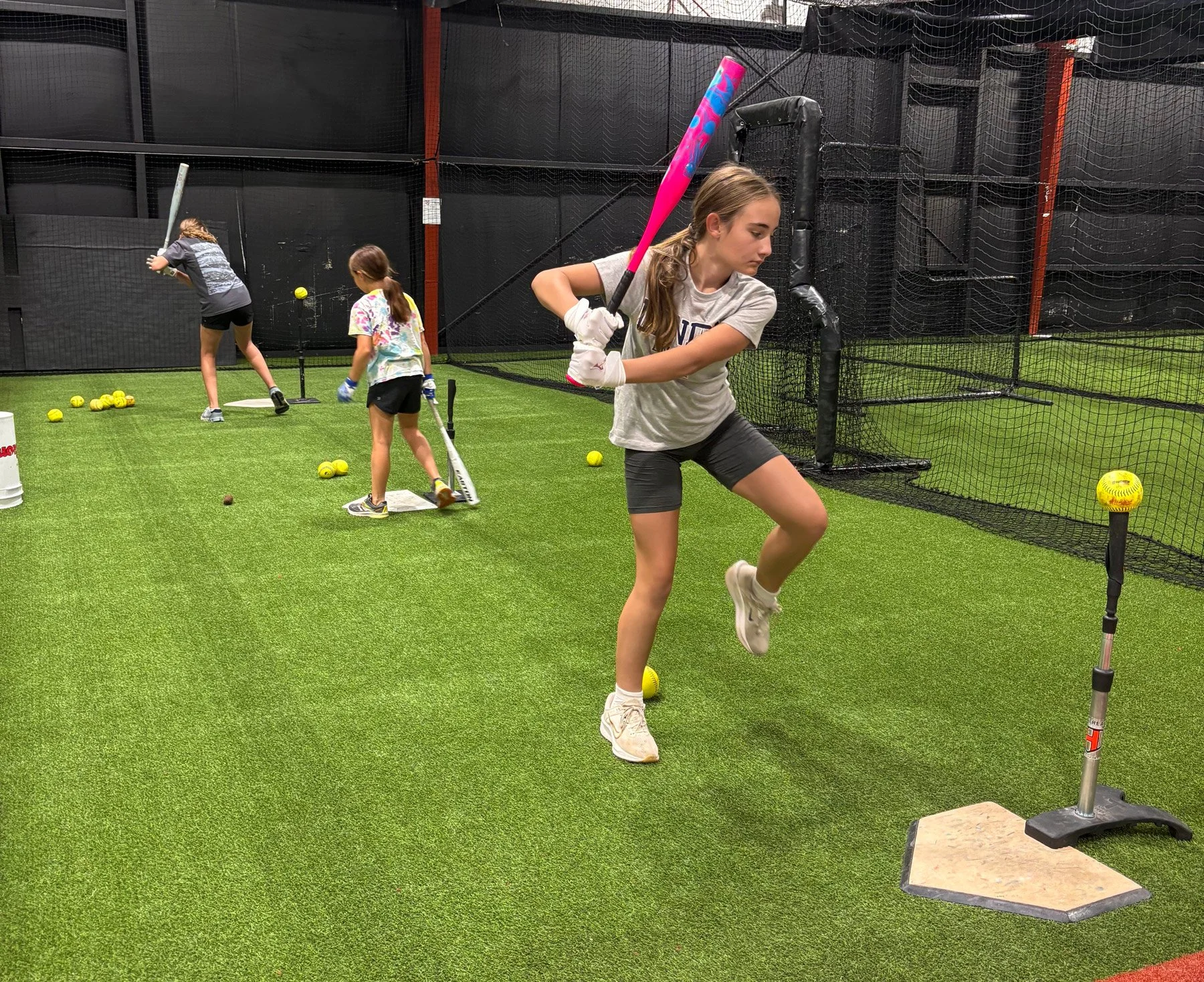
Working different pitch locations helps hitters develop better barrel control and make adjustments throughout the strike zone.
3. Change Speeds and Work on Timing
You can have a beautiful swing, but if your timing is off, you're going to struggle at the plate.
Hitting is about timing. Pitchers know this, which is why changing speeds, disrupting a hitter's rhythm and locating pitches are such important parts of pitching.
If you're only practicing against one speed, from one distance, with the same predictable rhythm, you're missing an important part of becoming a better hitter.
Try incorporating different velocities throughout your session. Start at a comfortable speed where you can make consistent contact, then gradually increase the difficulty.
You can also work on recognizing pitches and adjusting your timing rather than swinging at every ball. When working with a coach or partner, vary the timing between pitches so you aren't simply anticipating when the next ball will arrive.
Remember that the distance between the hitter and the pitching machine or person throwing batting practice also affects reaction time. A slower pitch delivered from a shorter distance can require a quicker reaction than you might expect. Adjusting the distance can also help simulate faster pitching when a coach or batting practice partner can't throw at game speed.
We've previously shared a helpful guide on How to Train Your Hitters at Game Speed, including a chart that helps coaches and players understand the relationship between pitching distance, velocity and reaction time.
The goal isn't always to face the fastest pitching possible. It's to challenge your timing while still allowing yourself to develop good mechanics and make productive adjustments.
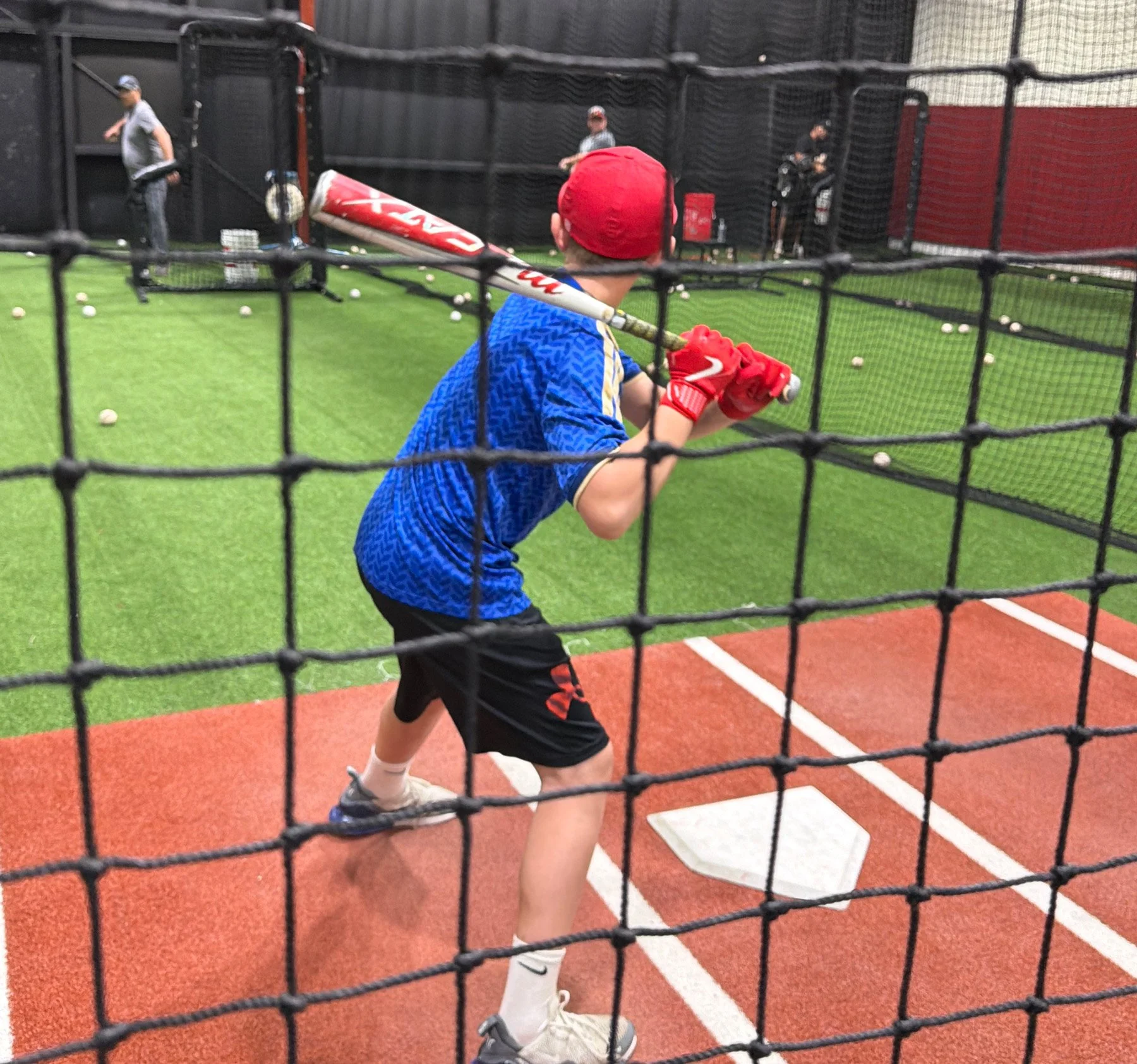
Changing pitch speeds and distances during batting practice helps hitters develop timing and prepare for game situations.
4. Focus on Barrel Control, Not Just Hitting the Ball Far
It's fun to see how far you can hit a baseball or softball. But hitting the ball hard and consistently is much more important than trying to launch every pitch.
One of the most valuable skills a hitter can develop is barrel control: the ability to consistently make solid contact with the sweet spot of the bat. Instead of measuring success by how many balls hit the back of the cage, pay attention to how often you're squaring the ball up.
Are you consistently hitting line drives? Are you making solid contact on pitches in different locations? Can you adjust when you're slightly early or late?
Tee work and front toss are excellent ways to isolate these skills without worrying as much about pitch timing.
Another option is incorporating a wood bat into some of your training. Because wood bats generally have a smaller effective hitting area than many metal bats, they can provide useful feedback on where you're making contact.
We discuss this and other advantages in Three Reasons to Train With Wood Bats.
Try this: Challenge yourself to hit five hard line drives in a row before moving on to your next drill. If you mishit one, start the count over. It's a simple way to make each swing matter.
5. Make It Competitive (and Have Some Fun)
Not every batting cage session needs to feel like a serious workout. In fact, adding some competition can be one of the best ways to keep players engaged and focused.
Baseball and softball are competitive sports. Finding ways to recreate some of that pressure during practice can help players develop confidence and learn to perform when the results matter.
Looking for a way to make your next batting cage session more competitive? Try these five challenges with a teammate or track your own personal bests.
Line Drive Challenge: Give each hitter 10 swings and award one point for every hard line drive. Most points wins.
Opposite-Field Challenge: See who can make the most quality contact to the opposite field in a round of 10 pitches.
Two-Strike Battle: Start each simulated at-bat with two strikes. The goal is to protect the plate, make good swing decisions and put the ball in play. Keep track of how many pitches each hitter can battle through before striking out or putting the ball in play.
Situational Hitting: Give the hitter a scenario, such as a runner on second with nobody out or a runner on third with less than two outs. Award points for executing the appropriate approach, such as hitting a ball to the right side or driving a ball into the outfield.
Beat Your Best: Not every competition needs an opponent. Track how many hard-hit balls you produce in a round and try to improve that number the next time you practice.
You can adjust these games based on the age and ability of the players. For younger hitters, keep the challenges simple and reward effort and quality contact. For older players, make the situations more difficult and incorporate pitch selection, timing and decision-making.
The more you can make practice resemble the challenges of a game, the better.

A little friendly competition can make batting practice more engaging while challenging players to execute under pressure.
6. Find a Partner and Work Together
Batting practice doesn't have to be a solo activity.
Training with a teammate or friend creates opportunities for competition, encouragement and feedback. One player can hit while another helps with front toss, feeds the pitching machine, tracks results or watches for a specific adjustment.
You can also challenge each other with different pitch locations, game situations or hitting competitions.
For parents working with younger players, this is a great opportunity to be involved without turning every session into a hitting lesson.
Rather than offering five different mechanical corrections after every swing, help your player focus on one goal, celebrate good contact and keep the experience positive.
And don't underestimate the value of simply having someone there to compete with. A little friendly competition can turn an ordinary batting cage session into something players look forward to.
7. Quality Over Quantity: Know When to Call It a Day
More swings don't always equal more improvement.
In fact, taking 200 swings when you're tired, frustrated or no longer focused can reinforce the very habits you're trying to correct.
For many players, 50–100 quality swings with a clear purpose may be far more beneficial than twice as many swings taken without much thought.
That doesn't mean there's a magic number of swings every player should take. Age, experience, intensity and the type of training all matter.
But it's important to recognize when fatigue begins to affect your mechanics, timing or focus.
If you're consistently dropping your hands, losing your balance or swinging at everything simply to finish the bucket, consider taking a break, slowing things down or ending the session.
Sometimes the best thing you can do is finish on a positive note.
And remember, progress isn't always measured by how many balls you hit hard during one session. It might be recognizing an outside pitch sooner, making a better adjustment after a bad swing or becoming more consistent with your approach.
Those small improvements add up over time.
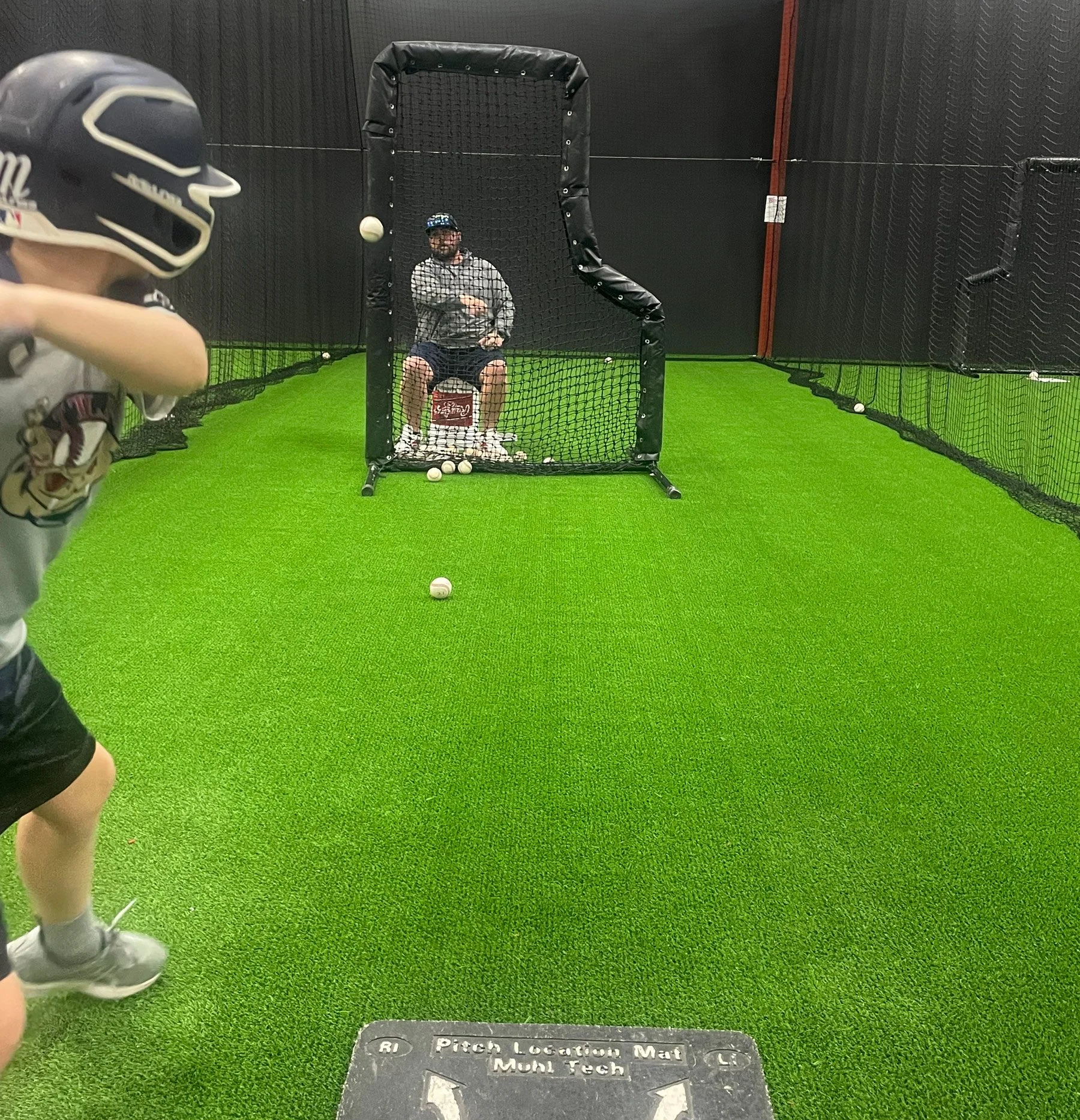
Quality Over Quantity: Make every swing count. Focused, quality repetitions build better habits than simply taking more swings.
Make Your Next Batting Cage Session Count
The batting cage is one of the best places to build confidence, develop good habits and work on the skills that will help you succeed in games. But the real value comes from how you use that time.
Arrive with a plan. Challenge yourself with different pitch locations and speeds. Work on barrel control. Find a teammate to compete with. And don't forget to have some fun along the way.
Most importantly, focus on the quality of your repetitions rather than simply the quantity.
At HitStreak, we offer indoor batting tunnels, training space and professional instruction to help Denver-area baseball and softball players of all ages continue developing their skills throughout the year.
Whether you're working independently, training with your team or looking for some additional instruction, we're here to help you make the most of your time in the cage.
Players of all ages and skill levels can benefit from HitStreak’s instructional camps & clinics or private instructional lessons designed to help athletes build confidence, consistency, and success at the plate.
Subscribe to our monthly newsletter for more featured tips and news from our Colorado baseball and softball community.
More Featured Baseball and Softball Tips from HitStreak: