
The Benefits of Multi-Sport Athletes in Youth Baseball & Softball Development
Why playing multiple sports often creates better athletes—and better baseball and softball players in the long run.
As baseball and softball seasons wind down in Colorado, many young athletes swap their cleats for basketball shoes, football pads, volleyballs, soccer balls, or wrestling mats. It's a question we hear every year:
Should my child focus solely on baseball or softball, or should they continue playing multiple sports?
Every athlete's path is different, and there may come a time—particularly in high school, or when pursuing opportunities to play at the collegiate level—when specializing in one sport becomes the right decision. But for most youth athletes, we believe playing multiple sports for as long as they can offers tremendous benefits, both on and off the field.
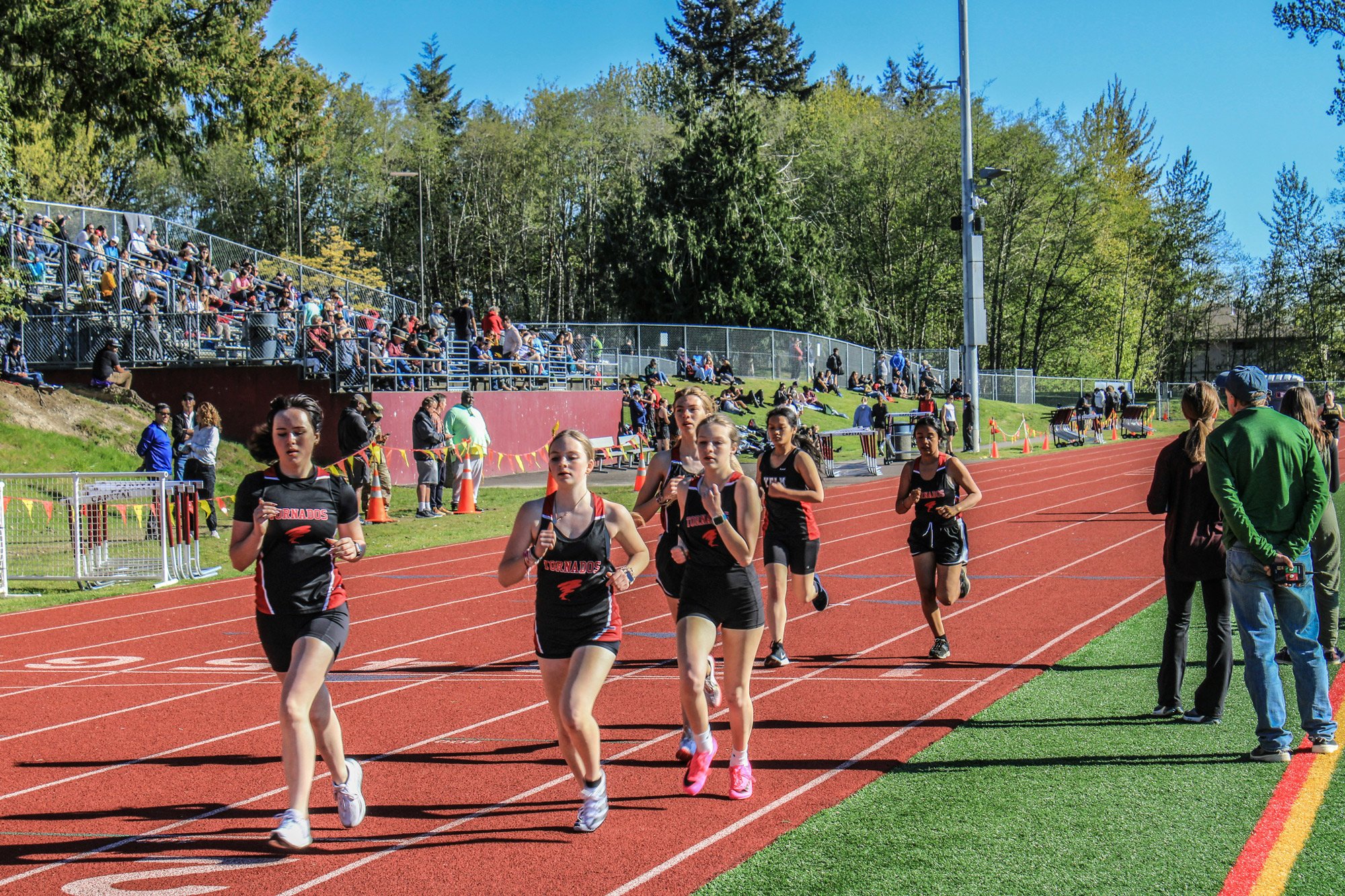
Playing multiple sports gives young athletes a chance to recover from repetitive movements, reduce the risk of overuse injuries, and return to baseball or softball refreshed.
Better Athletes Make Better Baseball & Softball Players
Baseball and softball require much more than simply hitting, throwing, or fielding. The best players are explosive, balanced, coordinated, and able to move efficiently in every direction. Those athletic traits aren't developed exclusively on a baseball field.
A basketball player learns quick footwork, body control, and court awareness.
A football player develops explosiveness, strength, and confidence competing in space.
Soccer players build endurance, agility, and coordination.
Track and field athletes develop speed, acceleration, body control, and explosive power.
Hockey players build balance, hand-eye coordination, strength and quickness.
Volleyball players improve timing, jumping ability, and reaction speed.
Wrestlers develop balance, leverage, discipline, and mental toughness.
Each sport teaches athletes to move differently, solve new challenges, and compete in unique environments. Those experiences often translate directly back to the baseball or softball field.
Different Sports Develop Different Skills
Repeating the same movements year-round can certainly improve specific baseball or softball skills, but younger athletes also benefit from expanding their overall athletic foundation.
Playing multiple sports helps develop:
Balance
Coordination
Agility
Speed
Rotational strength
Body control
Spatial awareness
Reaction time
These qualities don't just make someone a better athlete today—they often create a stronger foundation for future development as they continue growing.
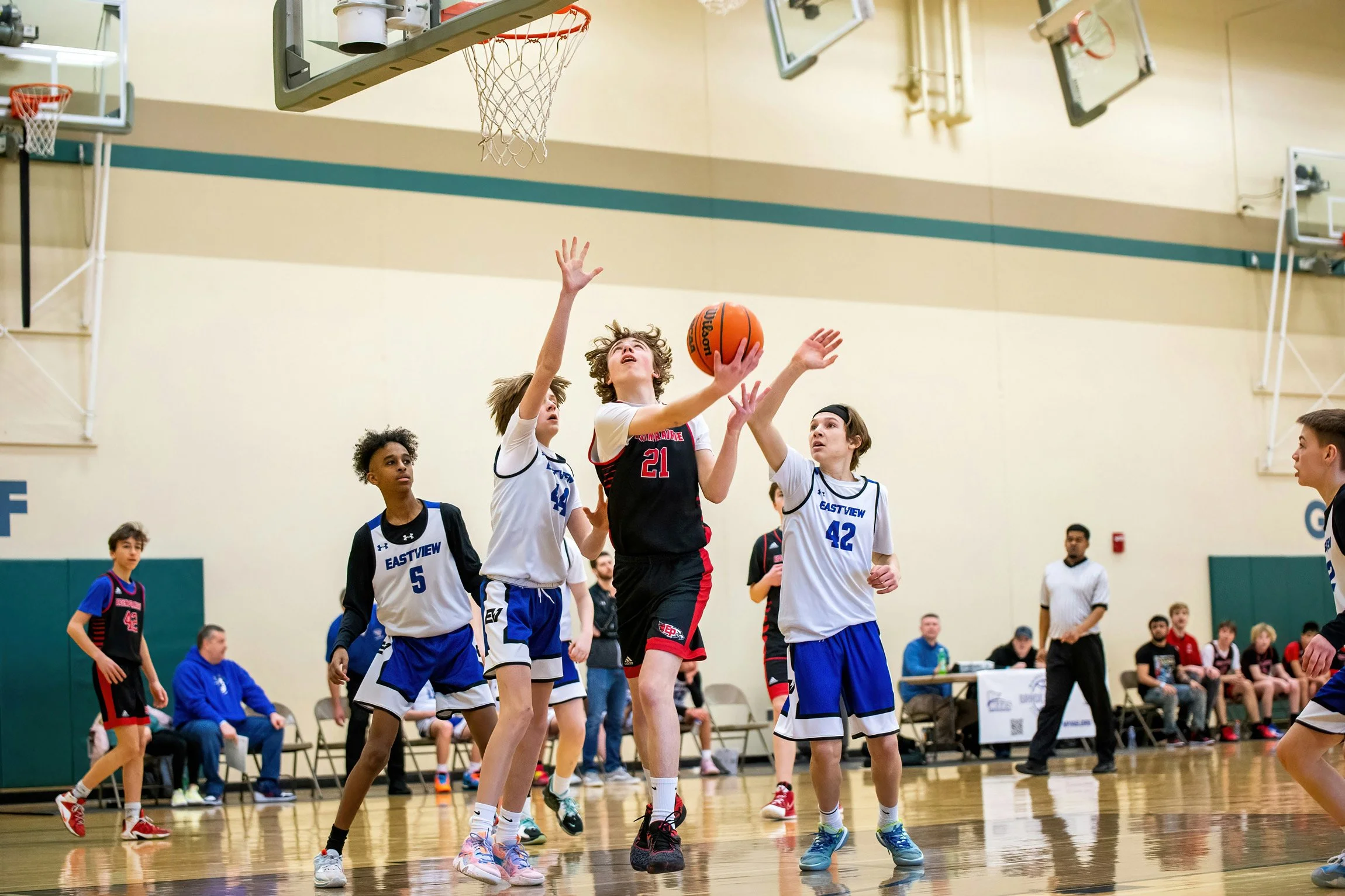
Every sport teaches something different. The athletic skills developed on the basketball court, soccer field, football field, volleyball court, wrestling mat, or track often carry over to baseball and softball.
A Break Can Be a Good Thing
Baseball and softball are long seasons. Practices, tournaments, lessons, travel, and games can fill much of the calendar, and unlike many sports, baseball and softball ask young athletes to handle failure on a regular basis.
Sometimes the healthiest thing for a player is simply a change of pace.
Stepping onto a basketball court, football field, volleyball court, or soccer pitch provides new teammates, new goals, and a fresh competitive environment. When baseball or softball season returns, many athletes come back excited to play again.
Keeping sports fun is one of the best ways to help kids continue loving them for years to come.
Baseball Is Built on Failure
One of the unique challenges of baseball and softball is that failure is part of the game. Even the best hitters fail far more often than they succeed. Errors happen. Strikeouts happen. Slumps happen.
When an athlete's entire identity becomes tied to one sport, those difficult moments can feel overwhelming. Playing multiple sports helps provide perspective.
A rough weekend on the baseball field doesn't define an athlete when they're also learning, growing, and finding success in other sports. Confidence becomes rooted in being an athlete—not simply in the outcome of the last game.
Reducing Overuse and Helping Young Athletes Stay Healthy
Playing multiple sports isn't just good for athletic development—it can also be beneficial for long-term health.
Baseball and softball ask young athletes to repeat the same movements over and over, especially throwing. Pitchers, catchers, and even position players put significant stress on their shoulders, elbows, and arms throughout a season.
By participating in other sports during different times of the year, athletes naturally give those muscles and joints an opportunity to recover while continuing to stay active. Instead of repeating the same throwing motion year-round, they're developing different movement patterns, strengthening other muscle groups, and improving overall athleticism.
This doesn't mean athletes should stop training altogether. Many of our football players continue hitting throughout the winter, and plenty of basketball, soccer, and volleyball players stop in for lessons or small group training during their offseason. The goal isn't to do less—it's to train smarter, allowing the body to recover while continuing to develop.
Keeping young athletes healthy today helps them continue enjoying the game tomorrow.
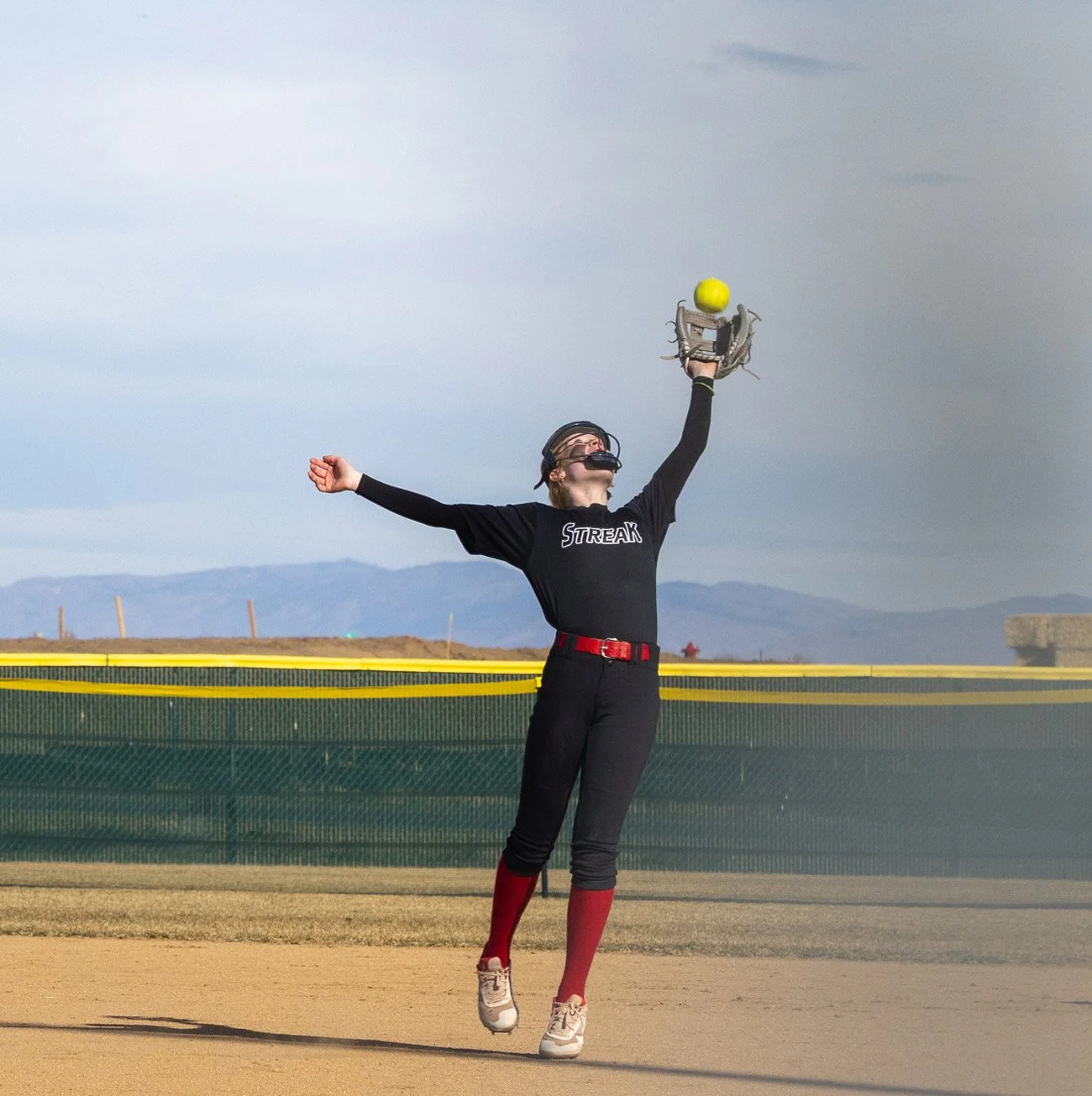
Being a multi-sport athlete builds speed, strength, coordination, balance, and confidence that carries over to baseball and softball.
Colorado Athletes Have Great Opportunities
One of the advantages of growing up in Colorado is the variety of sports available throughout the year.
Many of our baseball players spend the fall on the football field before transitioning into winter baseball training. Others trade baseball for basketball during the winter months before returning in the spring.
Our softball athletes often balance softball with volleyball, basketball, or soccer, developing new athletic skills while enjoying different competitive experiences.
Many of our athletes also compete in track and field during the spring or during off seasons, continuing to build speed, explosiveness, and athleticism that translates well to baseball and softball.
These seasons don't have to compete with one another—they can complement each other.
When Specialization Makes Sense
As athletes get older, their goals naturally begin to change.
For high school athletes pursuing varsity baseball or softball, national-level competition, or opportunities to play in college, dedicating more time to one sport may become the right path.
Every athlete develops differently, and every family has unique goals. The key is making that decision when it's truly beneficial—not simply because it feels like the next step.
Our Philosophy at HitStreak
At HitStreak, we believe we're helping develop great athletes through baseball and softball—not simply great baseball and softball players.
If one of our players loves football as well, we want them to play football. If they love basketball, volleyball, soccer, or another sport, we want them to enjoy those experiences too.
When those seasons end, we'll be here to help them prepare for baseball or softball season with quality instruction, purposeful training, and a plan that supports their long-term development.
We believe athletes who love sports for a lifetime often become better baseball and softball players than those who are asked to specialize too soon.
Our goal isn't simply to help athletes become better players next season—it's to help them build a lifelong love of competition, confidence, and the game itself.
MORE FROM THE HITSTREAK BLOG —
How to Support Your Athlete Without Adding Pressure:
7 Tips to Help Your Baseball or Softball Player Love the Game for the Long Run
Players of all ages and skill levels can benefit from HitStreak’s instructional camps & clinics or private instructional lessons designed to help athletes build confidence, consistency, and success at the plate.
Subscribe to our monthly newsletter for more featured tips and news from our Colorado baseball and softball community.
More Featured Baseball and Softball Tips from HitStreak: