
How to Support Your Athlete Without Adding Pressure
7 Tips to Help Your Baseball or Softball Player Love the Game for the Long Run
Youth baseball and softball offer incredible opportunities for growth — not just as athletes, but as teammates, leaders, and young people learning how to handle challenges. From early practices to competitive tournament weekends, the game teaches resilience, discipline, and confidence that extend far beyond the field.
But as the level of play increases, so can expectations. Many young athletes already put significant pressure on themselves to perform. One of the most valuable roles a parent can play is helping create an environment where players can improve, compete, and most importantly — continue to enjoy the game.
At HitStreak, we believe development happens best when athletes feel supported, encouraged, and motivated from within. Loving the game fuels long-term improvement, and long-term improvement builds confidence.
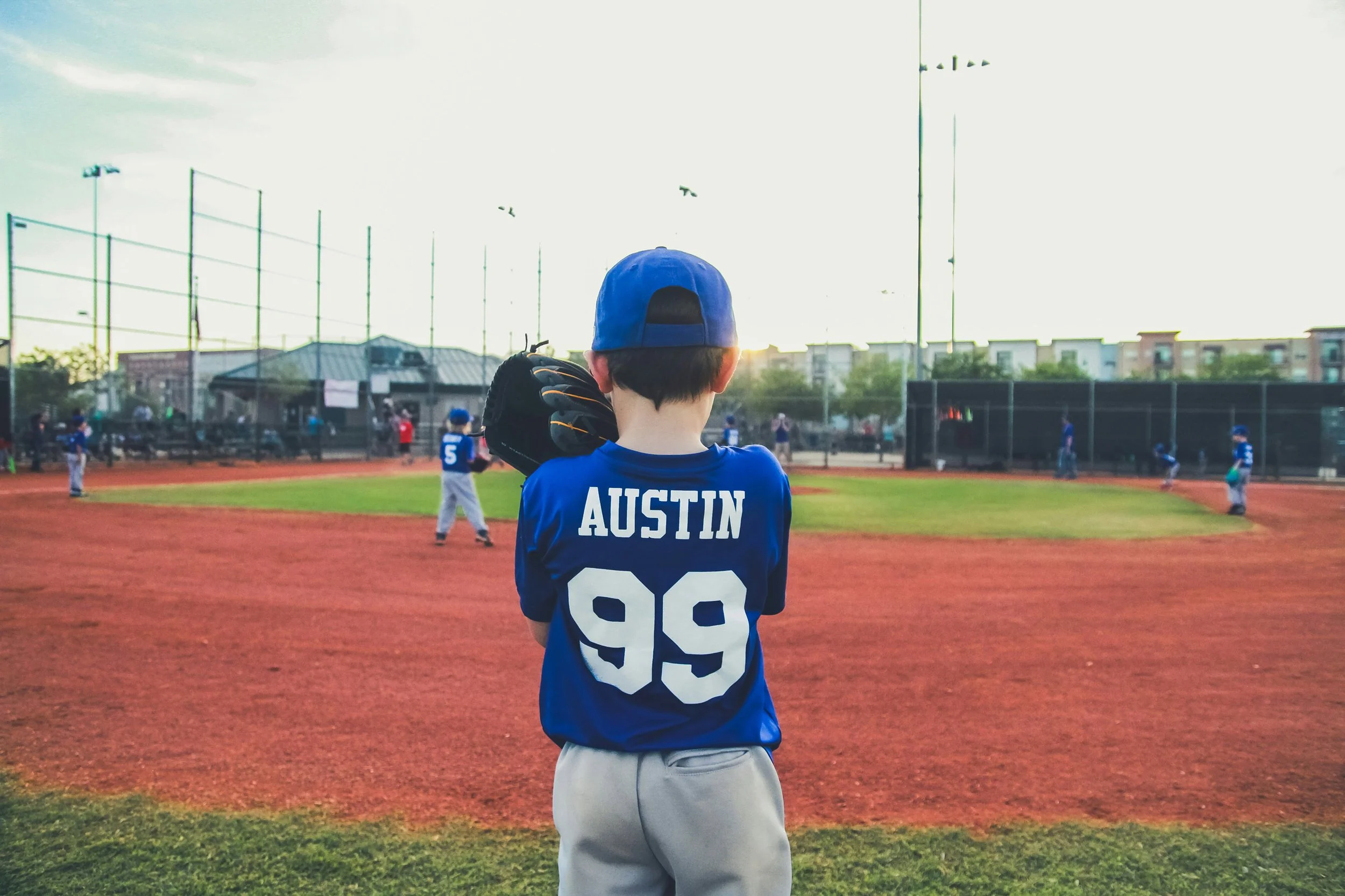
The primary goal of every youth baseball or softball season should be to create an atmosphere that helps players thrive, grow, learn and enjoy the sport.
Here are 7 tips to help support your baseball or softball player while keeping the game positive and productive.
1. Love the Game First
Your player is pursuing baseball or softball because he or she enjoys it. Along the way, there are many additional benefits — friendships, teamwork, physical activity, and the satisfaction that comes from working toward goals. Some players may aspire to compete at the high school or college levels. Others may simply enjoy being part of a team and improving each season. Both paths are valuable.
It’s important to remember that this is their game.
Young athletes often put plenty of pressure on themselves already. Even well-intentioned feedback from parents can sometimes add weight they don’t need. Encouragement helps athletes stay motivated and engaged, while excessive pressure can sometimes lead to frustration or burnout.
When players enjoy the process, they are more likely to stay committed, practice with purpose, and continue improving over time.
Love of the game is often the strongest driver of long-term success.
2. Focus on Effort Over Results
Results can fluctuate from game to game and season to season. A well-hit ball can still result in an out. A great pitch can still be hit. Even the best players fail frequently.
What lasts longer than any single stat line is the commitment to preparation, effort, and improvement.
When parents reinforce effort, athletes learn that growth comes from consistency and work ethic rather than short-term outcomes. Over time, this mindset builds confidence and resilience.
Effort is controllable. Results are not always.
Players who focus on preparation, attitude, and improvement often find that performance follows naturally.
3. Help Kids Handle Failure and Build Confidence
Baseball and softball are games of failure. Even the most successful hitters in the world make outs more often than they get hits.
Consider two scenarios:
Johnny swings and misses. He’s working hard but not having his best day or best season. After each swing, he hears disappointment from the stands. Comments like “That was an easy pitch” or “You need to try harder” begin to add pressure. After the game, the conversation continues on the ride home. Johnny begins to worry about making mistakes and may hesitate to try new things.
Now imagine the same situation with a different response.
Johnny swings and misses, and he hears encouragement. “You’ve got this.” He strikes out, and he hears, “Keep working — proud of you.” After the game, his parents remind him that improvement comes with effort and persistence.
Johnny still wants to perform well, but he knows his parents support him regardless of the outcome. Even when he struggled, Johnny’s parents didn’t react emotionally. They reminded him that showing up matters, being a good teammate matters, and mental fortitude matters.
Confidence grows when athletes feel safe to try hard things — even when they struggle.
Failure in baseball and softball isn’t something to avoid. It’s something to learn from.

Helping to keep the sport in perspective and not let it become the identity of your athlete is paramount for long-term health and family balance.
4. Keep the Game in Perspective
For many families participating in competitive or travel baseball or softball, the challenge isn’t just managing the schedule — it’s ensuring the experience remains healthy, enjoyable, and balanced.
Young athletes are students first. They are also friends, siblings, and individuals developing interests outside of sports.
When the sport begins to dominate family life or define a child’s identity entirely, pressure can increase unnecessarily. Maintaining balance helps athletes stay motivated and energized throughout a long season.
Encourage time for school, family activities, and downtime. These moments help athletes recharge mentally and emotionally.
For more ideas on balancing busy schedules, see our related article: How to Balance School, Sports, and Family Time During the Season
When perspective stays intact, the game becomes part of a healthy, well-rounded lifestyle rather than the sole focus.
5. Model Positive Sideline Behavior
There will be big moments worth celebrating — home runs, great defensive plays, and exciting wins. There will also be strikeouts, errors, and tough losses.
Throughout all of it, parents help set the tone.
Positive sideline behavior helps create an environment where players feel supported and coaches can coach. It also reinforces respect for teammates, opponents, and officials.
Whether 8U, 14U, high school, or college, athletes benefit when the atmosphere around the game emphasizes encouragement, teamwork, and composure.
Players are always watching — and often modeling — how adults respond to adversity.
Your presence on the sideline can reinforce confidence, calmness, and perspective.
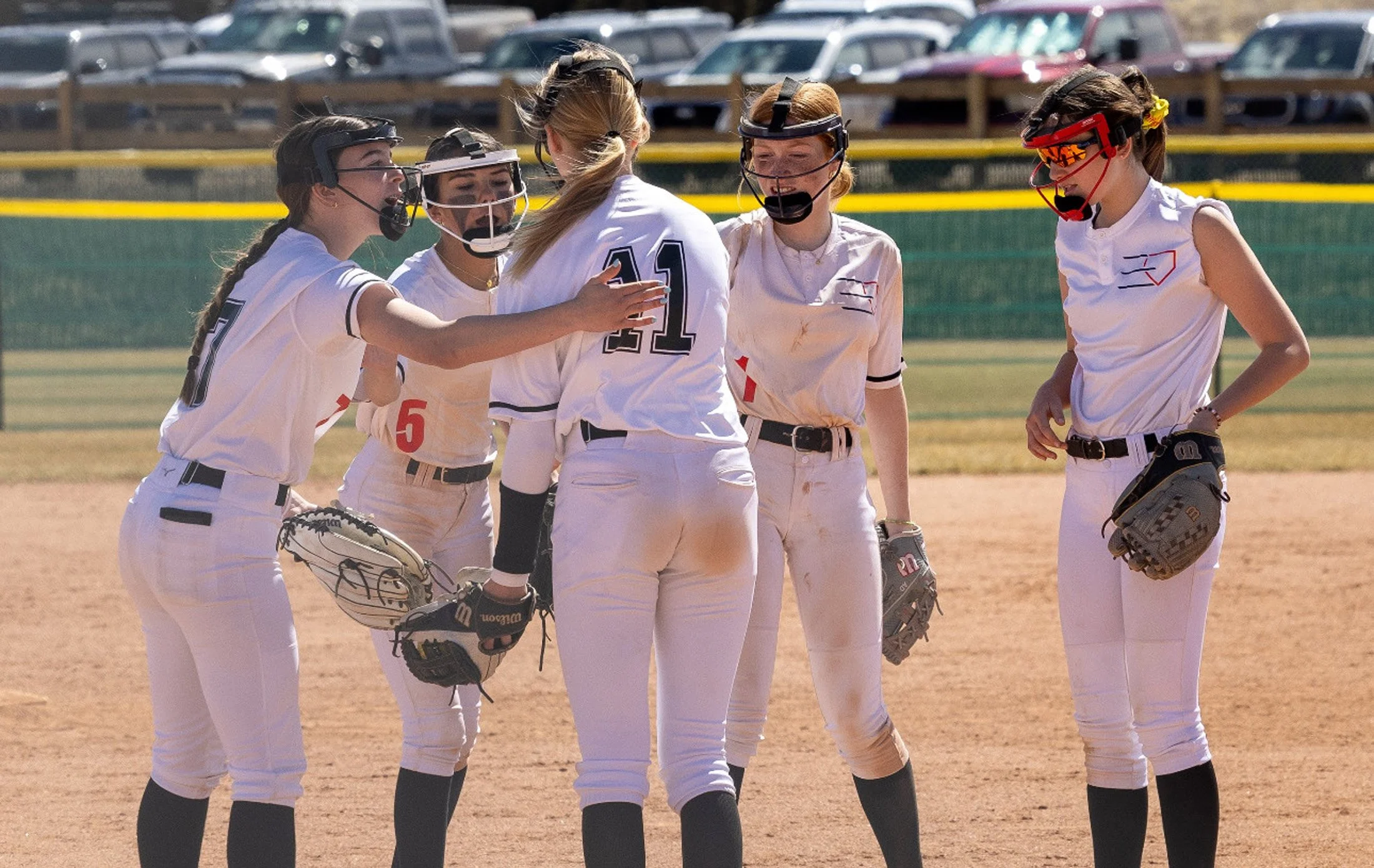
The benefits of team sports such as baseball or softball are far more than just individual skill. Athletes like this HitStreak softball team develop long-term friendships, character traits and confidence.
6. Get the Car Ride Home Right
Former Colorado Rockies manager Clint Hurdle, who guided the team to the 2007 World Series, is known for sharing his “Hurdle-isms” – simple but powerful reminders or nuggets of motivation. One of his most memorable messages is to “Shower well.”
The idea is simple:
• Let the frustration wash down the drain
• Leave the challenges of today behind
• Rest, reset, and move forward tomorrow
The same concept applies to the car ride home.
Once the game ends, there is often little to be gained from immediate analysis. Many athletes are already thinking about what they could have done differently.
Sometimes the most supportive thing a parent can do is create space.
Turn on music. Stop for ice cream. Talk about anything other than the game.
When athletes know that home is a place of encouragement and stability, they develop confidence to keep working, keep learning, and keep showing up.
Often, the car ride home shapes how young athletes remember the experience.
7. Remember the Bigger Picture
Baseball and softball can teach lessons that extend far beyond the field:
Resilience after setbacks
Confidence built through preparation
Leadership developed through teamwork
Integrity shown through sportsmanship
Wins and losses will come and go, but the habits and character traits developed along the way can last a lifetime.
At HitStreak, our goal is not only to help our players throughout Colorado improve their skills, but also to help them grow as teammates, leaders, and individuals.
When athletes feel supported, challenged appropriately, and encouraged to love the game, they are more likely to continue developing both on and off the field.
Long after the final out, what matters most is who they become in the process.
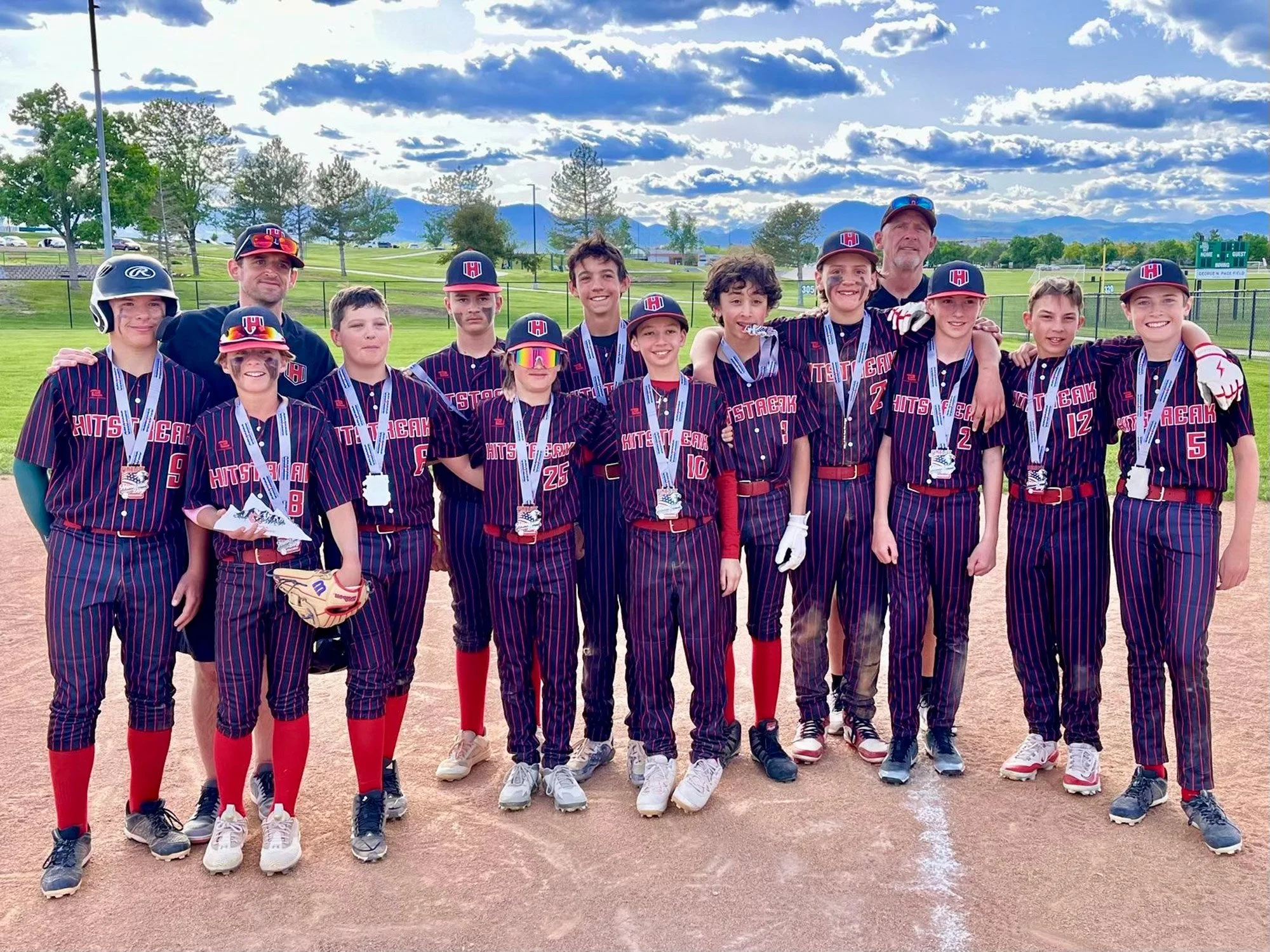
This HitStreak team celebrates a successful finish and walk away with more than just first place medals.
MORE FROM THE HITSTREAK BLOG —
Guiding Your Child Through the Baseball & Softball Tryout Process:
Tryout season can be exciting, stressful, and sometimes overwhelming for players and parents alike. Here's how to keep the focus on development, perspective, and a lifelong love of the game.
Players of all ages and skill levels can benefit from HitStreak’s instructional camps & clinics or private instructional lessons designed to help athletes build confidence, consistency, and success at the plate.
Subscribe to our monthly newsletter for more featured tips and news from our Colorado baseball and softball community.
More Featured Baseball and Softball Tips from HitStreak: