
How to Balance School, Sports, and Family Time During the Season
10 Practical tips for busy baseball and softball families to stay organized, protect what matters most, and help young athletes thrive on and off the field.
Families today are busier than ever. Between school, practices, games, tournaments, homework, and family commitments, the calendar can fill up quickly during baseball and softball season.
For many families participating in competitive or travel sports, the challenge isn’t just getting through the schedule — it’s making sure the experience remains healthy, enjoyable, and meaningful for everyone involved.
At HitStreak, we believe young athletes succeed best when their entire environment supports them — at home, in the classroom, and on the field. Our training philosophy reflects that belief, building not just baseball and softball skills but also leadership, teamwork, and character through classroom-style learning and mentorship.
Balancing school, sports, and family life isn’t about perfection. It’s about creating systems, priorities, and routines that allow athletes to develop while still protecting the things that matter most.
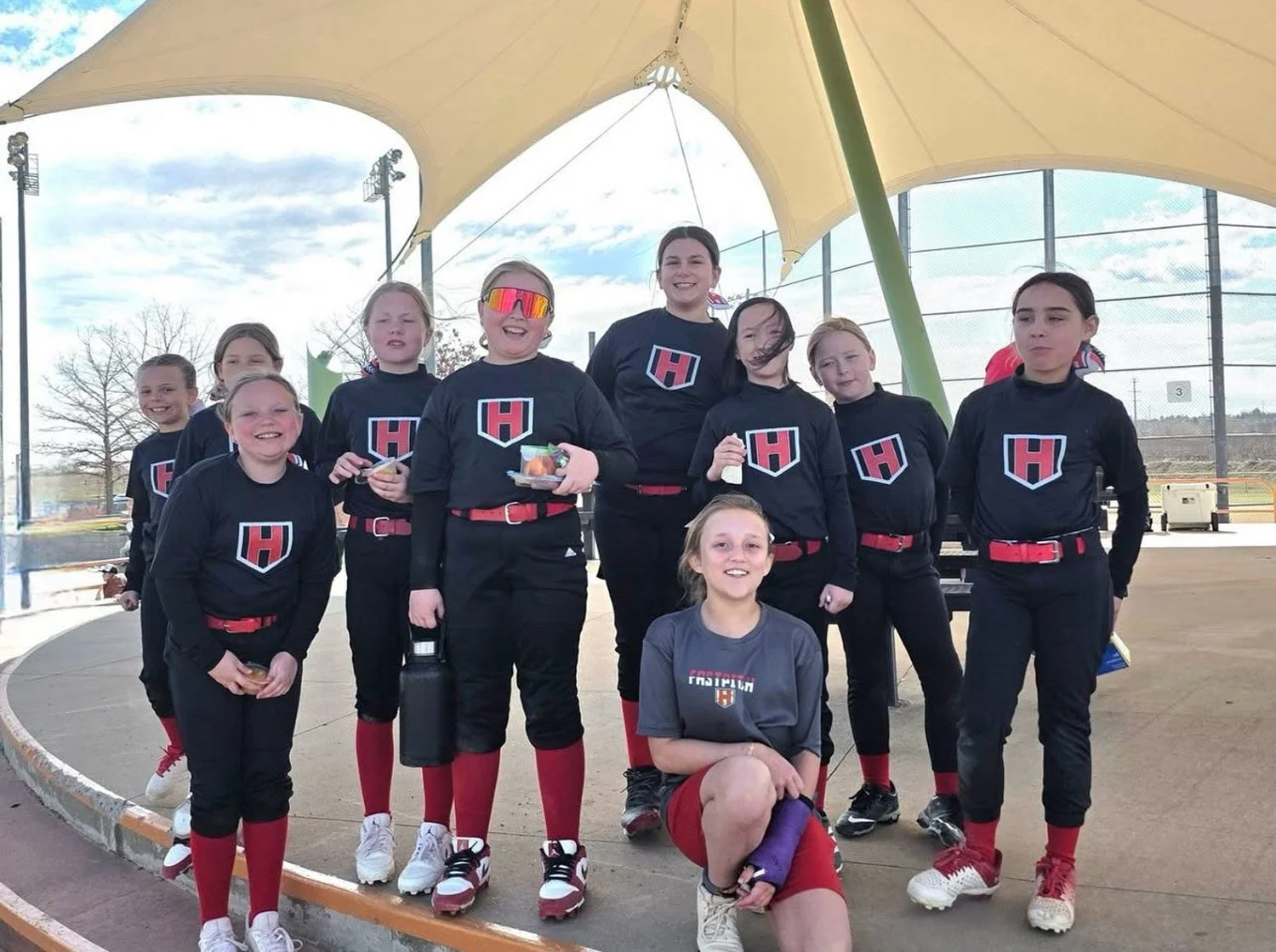
Competitive baseball and softball can create valuable lessons, experiences and memories when balances appropriately with other commitments, family time and school.
Here are 10 practical strategies that can help families manage the season successfully.
1. Know Your “Why” as a Family
Every family approaches sports a little differently. The key is knowing what matters most to your family and protecting those priorities.
Ask yourselves:
Why are we doing this?
What do we want our kids to learn from sports?
What family traditions matter most?
Maybe it’s a weekly dinner with grandparents.
Maybe it’s attending church regularly.
Maybe it’s protecting time for family activities or vacations.
Busy tournament schedules can make weeks feel chaotic, but when families know their “why,” it becomes much easier to prioritize the things that matter most.
Schedules may fluctuate, but your values don’t have to.
2. Remember: They Are Student-Athletes First
It sounds obvious, but it’s one of the most important reminders during a busy season: young players are students first and athletes second.
Taking care of homework and school responsibilities before practices or games helps reduce stress and allows athletes to fully focus on their training. When schoolwork is in order, players show up to practice more relaxed, more confident, and better prepared to improve. For high school athletes who dream of playing at the next level, academics matter even more.
As longtime college coach Dave Mumper often reminds players: “There will almost always be more academic money than athletic money.”
Strong grades not only open doors to scholarships, they also build habits that translate directly to sports: discipline, preparation, and accountability.

Young athletes are students first and athletes second. Good study habits typically lead to good athletic habits.
3. Protect Rest and Recovery
Young athletes are still growing and developing. That means recovery isn’t optional — it’s essential. The most important recovery tool for youth and teenage athletes is sleep.
Sleep supports:
Physical growth and development
Injury prevention and recovery
Mental focus and emotional regulation
Athletic performance
Simply put, sleep trumps almost everything else when it comes to long-term athletic development. Rest also includes taking breaks from the sport itself.
At HitStreak, we strongly encourage baseball players to have an offseason and even play other sports. Multi-sport athletes often develop better coordination, athleticism, and long-term durability. And perhaps most importantly: Nobody is handing out college scholarships to the best player at a 12U tournament in November.
Arms need recovery. Bodies need rest. Minds need a break. Those pauses help athletes return stronger and more motivated.
4. Use Training Time Efficiently
When time is limited, quality matters more than quantity.
That’s one reason training environments like HitStreak can be so valuable for busy families. Structured instruction allows athletes to maximize improvement during the time they do have available.
Our training programs include not only skill development but also classroom sessions that teach players:
Game IQ and strategy
Leadership and communication
How to be a great teammate
When athletes train with purpose and structure, they can improve more efficiently — leaving more time for school, family, and recovery.
5. Prepare the Night Before Game Day
Tournament mornings and early games can quickly turn into chaos. A simple habit can eliminate much of the stress: prepare the night before.
Lay out the full uniform: Jersey, Pants, Belt, Socks, Hat
Pack the bag with: Gloves, Cleats, Water bottle, Snacks
Fill water bottles the night before so ice can be added in the morning.
It may sound simple, but small routines like this can eliminate the frantic morning search for the missing sock or misplaced glove — helping families start game day calm and organized.
ALSO SEE: Game Day Nutrition: Fueling Young Baseball and Softball Players for Peak Performance

41% of Americans say family meals are healthier, and 91% of parents report reduced stress when families eat together regularly.
6. Protect Family Time — Even During Busy Seasons
Sports schedules can easily consume entire weekends and evenings, but maintaining family connection is one of the most important factors in a young athlete’s overall well-being. Research consistently shows that regular family meals are strongly linked to better mental health, stronger academic performance, and lower stress levels in kids and teens. In fact, according to the American Heart Association, regular family dinners significantly improve physical and mental health. Their research found that 41% of Americans say family meals are healthier, and 91% of parents report reduced stress when families eat together regularly.
Even during busy seasons, protecting small moments of family time matters. Some simple ideas include:
Family dinners whenever possible
Evening walks after practice
Ice cream after a tournament day
Day trips to the Colorado mountains
These moments may seem small, but they help create balance and perspective during intense sports seasons.
7. Encourage Siblings to Support Each Other
Families with multiple athletes often have overlapping schedules. When possible, encourage siblings to attend each other’s games and activities.
Showing up matters. It teaches kids how to support one another, celebrate each other’s successes, and develop empathy and respect for the work their siblings are putting in.
Over time, those shared experiences become some of the most meaningful memories for families.
8. Create Margin in the Schedule
Even during the busiest parts of the season, families need margin. Life can’t be “go, go, go” every day. Downtime allows athletes to decompress, recharge mentally, and return to their sport with energy and enthusiasm. Unstructured time also helps kids develop creativity, independence, and perspective — things that ultimately make them stronger athletes and people.
9. Limit Screen Time to Maximize Family Time
Screens can quietly consume huge portions of family time. According to the American Academy of Child & Adolescent Psychiatry, teenagers spend an average of 7–9 hours per day on screens for entertainment. That time adds up quickly. Reducing screen use during family time can dramatically improve the quality of those moments — creating space for real conversations, laughter, and connection.
10. Celebrate Effort, Not Just Results
Sports come with highs and lows. Players will strike out. They’ll lose big games. They’ll make errors.
But home should always remain a place of encouragement and support. Family time after games is an opportunity to celebrate the effort it took to show up, compete, and grow. When athletes know their family values their work ethic, attitude, and perseverance more than the scoreboard, they develop confidence and resilience that lasts far beyond the game. It also creates a safe environment where every member of the family feels encouraged to try hard things and grow.
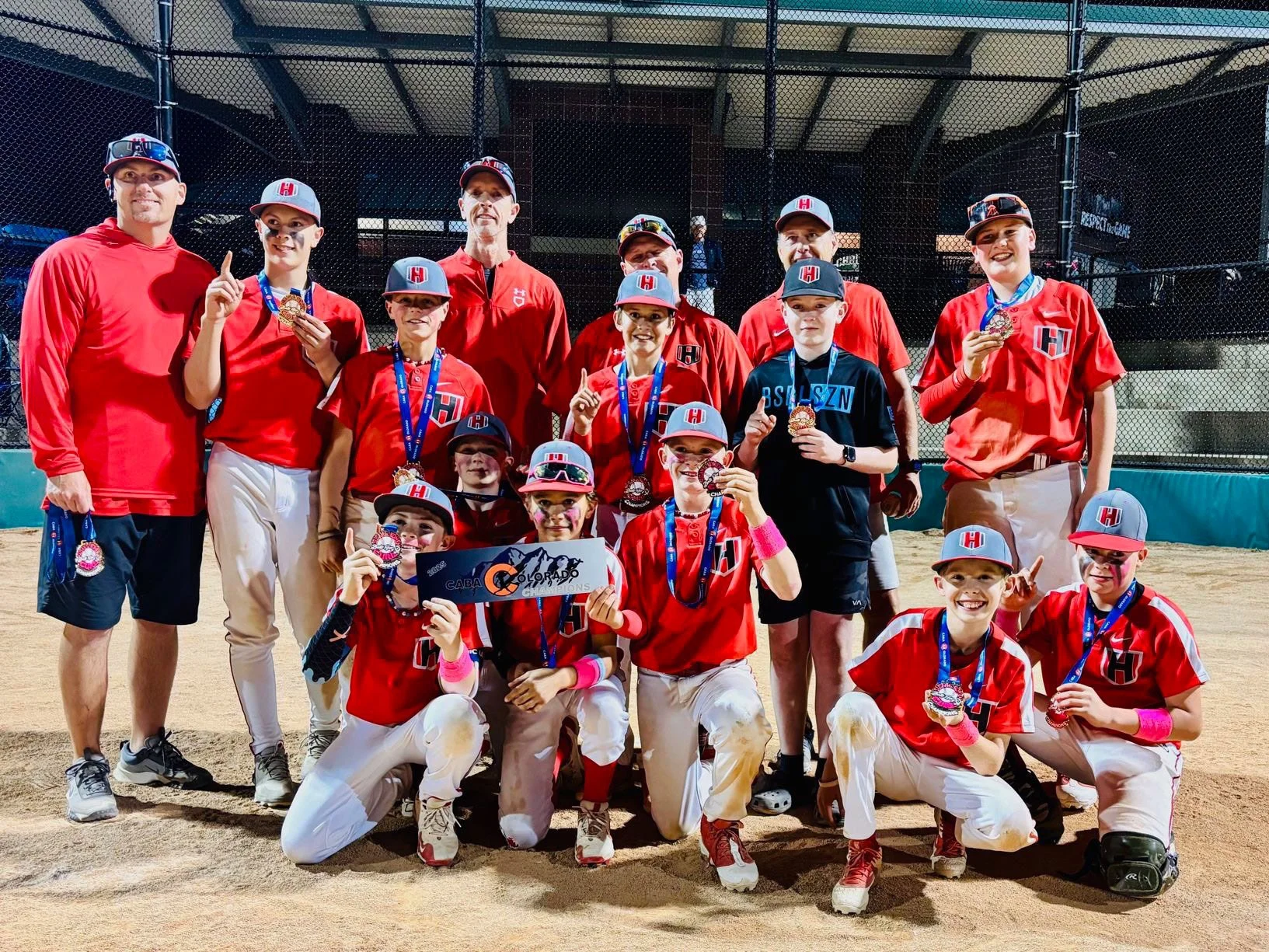
At HitStreak, we believe that baseball and softball should bring joy to families as part of a young athlete’s overall childhood and development.
The Bigger Picture
Youth sports should bring joy to families. They should build friendships, teach life lessons, and help young athletes grow into confident, resilient adults.
At HitStreak, we believe deeply in that mission. Our goal isn’t just to develop better players — it’s to help develop better teammates, stronger leaders, and well-rounded student-athletes. With the right priorities, routines, and perspective, it’s possible to navigate even the busiest seasons while still protecting the things that matter most.
And when that balance is in place, the game becomes what it was always meant to be:
Fun. Meaningful. And something families can enjoy together.
Players of all ages and skill levels can benefit from HitStreak’s instructional camps & clinics or private instructional lessons designed to help athletes build confidence, consistency, and success at the plate.
Subscribe to our monthly newsletter for more featured tips and news from our Colorado baseball and softball community.
More Featured Baseball and Softball Tips from HitStreak: